Being strong does not mean suffering in silence.
Introduction
She wakes up before everyone else. She works, cooks, cleans, cares for children and elderly parents. She forgives readily, complains rarely, and carries her burdens with a smile. She is the backbone of her family, the pillar of her community, the strength behind her husband’s success. She is the Strong African Woman, and she is exhausted.
The Strong African Woman archetype is deeply embedded in African culture. It is often celebrated as a virtue. But beneath the strength lies a troubling reality: many African women are suffering from anxiety, depression, burnout, and trauma, and they have been taught that acknowledging it is a sign of weakness, ingratitude, or poor faith.
The Mental Health Toll of Carrying It All
Chronic emotional suppression, the constant pushing down of difficult feelings in favour of appearing strong, is a documented mental health risk. It is associated with increased rates of depression and anxiety, higher levels of cortisol (the stress hormone), weakened immune function, and poor physical health outcomes.
African women are also disproportionately affected by trauma, including gender-based violence, pregnancy loss, economic hardship, and displacement, yet are the least likely demographic to seek or access mental health support. This is not strength. It is a crisis we have learned to call strength.
Signs That You May Need Support
• Persistent sadness, emptiness, or hopelessness
• Constant worry or a sense of impending doom
• Emotional numbness or feeling disconnected from life
• Physical symptoms without a medical cause: headaches, chest tightness, fatigue
• Irritability, snapping at loved ones, low patience
• Losing interest in things that used to bring joy
• Using food, alcohol, or busyness to avoid feelings
• Feeling like a burden or that others would be better off without you
If you recognise yourself in any of these, please reach out to a healthcare professional, counsellor, or trusted support person.
Redefining Strength
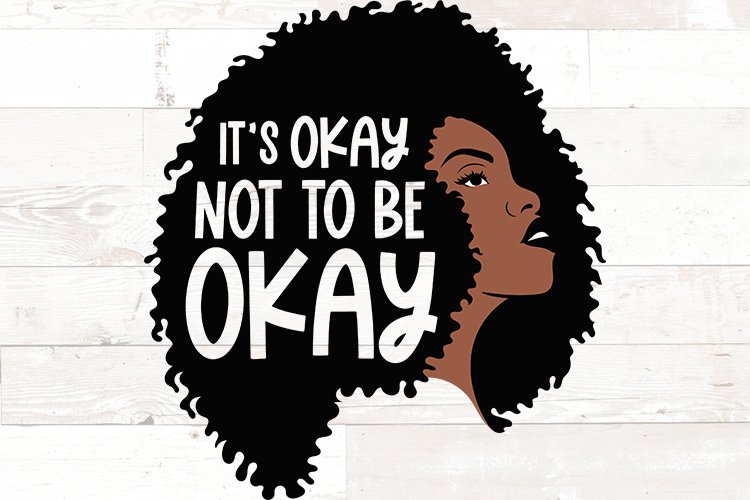
True strength is not the absence of need. It is the courage to acknowledge that need and to act on it. Seeking therapy is strong. Saying ‘I am not okay’ is strong. Setting boundaries is strong. Resting is strong. You do not have to earn your worth through suffering.
Therapy, whether with a psychologist, psychiatrist, trained counsellor, or even through structured peer support groups, can be profoundly healing. It does not mean you are broken. It means you are taking care of the most important person in your life: yourself.
Making Mental Health Accessible
Mental healthcare remains limited and expensive in much of Africa, but access is improving. Look for community health workers, faith-based counselling programmes, online therapy platforms serving African clients, and government mental health services. Support groups, whether in person or online, can also provide meaningful connection and validation.
You are allowed to put yourself on your own priority list. In fact, your family, your community, and the world need you to.
One Response
Wow, This is great