Your crown deserves care that goes beyond the surface.
Introduction
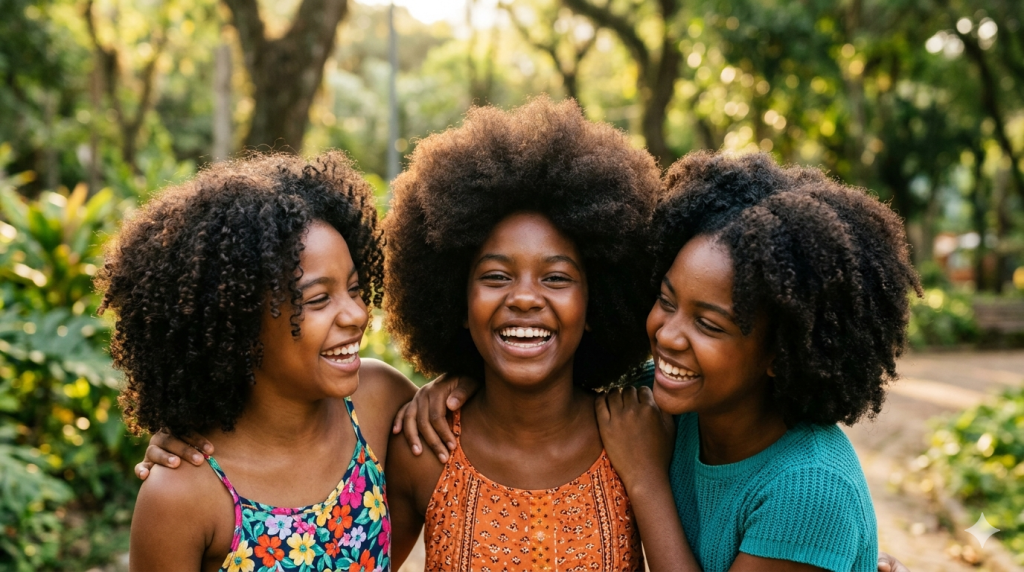
Natural hair is having a magnificent renaissance across Africa and the diaspora, with millions of Black women embracing their coils, kinks, and curls after decades of chemical alteration.
But beneath the beauty of the natural hair movement lies a serious health conversation that is not discussed nearly enough: the impact of hair care products and practices on overall health, hormonal balance, and scalp wellbeing.
Your hair is not just a style statement it is a window into your health. Changes in hair texture, growth, and scalp condition can signal nutritional deficiencies, hormonal imbalances, and other underlying health issues.
The Dangers of Chemical Relaxers
Chemical relaxers permanently straighten hair by breaking down its natural protein structure using strong chemicals such as sodium hydroxide (lye) or guanidine hydroxide. Studies have raised concerning links between long-term relaxer use and increased risk of uterine fibroids, early puberty, and certain hormonal cancers. The chemicals in relaxers are absorbed through the scalp and can enter the bloodstream.
A landmark study published in the Journal of the National Cancer Institute found that women who used chemical hair straighteners frequently had a higher risk of uterine cancer. While research is ongoing, the finding is significant, particularly for African American and African women who have historically been the primary users of these products.
If you choose to relax your hair, stretch your touch-up times, avoid applying relaxer to the scalp, and never relax already-processed hair. Better yet, explore transitioning to natural hair or heat-straightening alternatives.
Common Scalp Conditions and What They Mean
Dandruff and flaking can indicate dry scalp, fungal infection (seborrhoeic dermatitis), or eczema.
Excessive hair loss (alopecia) may point to anaemia, thyroid disorders, PCOS, stress, nutritional deficiencies, or over-manipulation of hair.
Scalp tenderness or inflammation may indicate infection or an allergic reaction to products.
Do not ignore persistent scalp symptoms. See a dermatologist or trichologist (hair specialist) if issues do not resolve with gentle care.
Nourishing Your Hair from the Inside Out
Healthy hair starts with healthy nutrition.
Protein (from eggs, fish, beans, and meat) is the building block of hair. Iron, zinc, biotin, and vitamins A, C, and E all contribute to hair growth and scalp health.
If you notice increased hair shedding, consider asking your doctor to test for nutritional deficiencies before reaching for supplements.
Drink plenty of water. Stay hydrated. Your hair reflects your internal health and no product can compensate for poor nutrition or chronic stress.
Building a Healthy Hair Care Routine
• Wash hair regularly with a gentle, sulphate-free shampoo
• Deep condition weekly to maintain moisture and elasticity
• Use natural oils like coconut, castor, and shea butter for scalp health
• Avoid tight styles that put constant tension on the hairline
• Protect hair at night with a satin bonnet or scarf
• Minimise heat styling to prevent damage
Your hair journey is a health journey. Treat it with the same care you give the rest of your body.