
Managing blood sugar without giving up your culture
Introduction
Type 2 diabetes is on the rise across Africa, with urbanisation, changing diets, and sedentary lifestyles all playing a role.
For many African women, a diabetes diagnosis can feel like a life sentence, particularly when the advice they receive seems to leave no room for jollof rice, fufu, or egusi soup.
But managing diabetes does not mean abandoning your culture. It means making smarter choices within it.
This guide offers practical, culturally sensitive advice for African women living with or at risk of type 2 diabetes.
Understanding Diabetes
Type 2 diabetes occurs when the body becomes resistant to insulin or does not produce enough of it, leading to high blood sugar levels.
Over time, uncontrolled diabetes can cause serious complications, including blindness, kidney failure, nerve damage, and heart disease.
The encouraging news is that blood sugar can often be managed effectively through diet, exercise, and, when necessary, medication.
The Glycaemic Index and African Foods
The glycaemic index (GI) measures how quickly a food raises blood sugar levels. Low-GI foods cause gradual rises in blood sugar and are better for blood sugar control.
The GI of traditional African foods varies widely depending on preparation method, ripeness, and what they are eaten with.
Swallow foods like fufu, pounded yam, and eba tend to have high GI values because they are rapidly digested.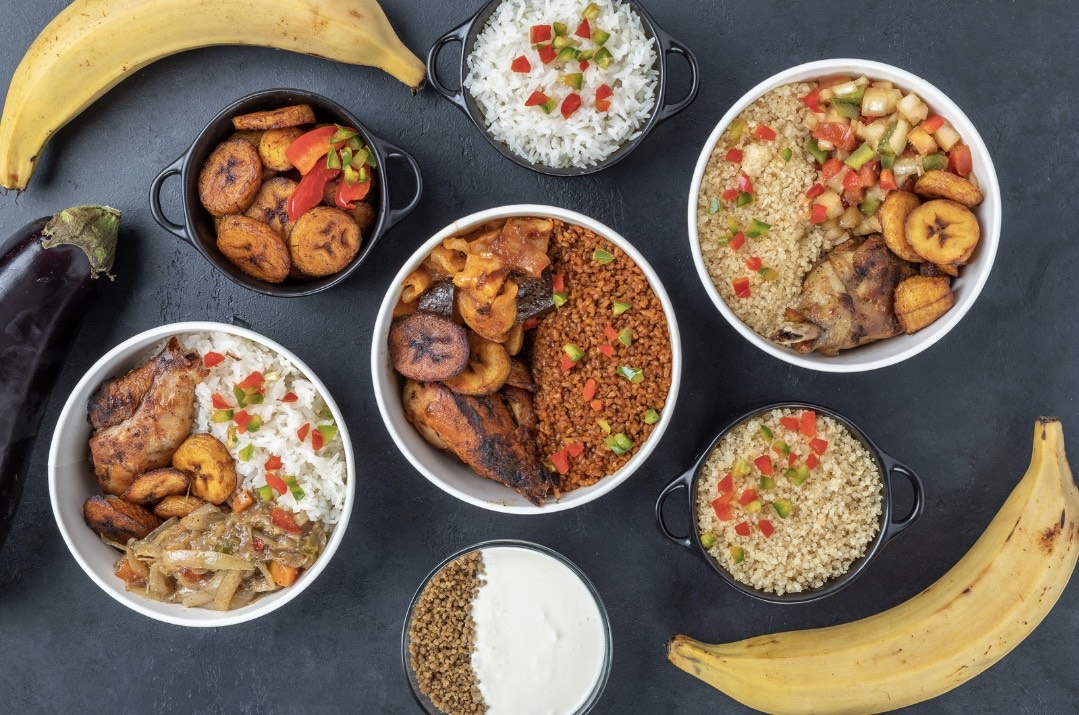
However, eating them in smaller portions, combining them with protein-rich soups, and adding plenty of vegetables can significantly reduce their impact on blood sugar.
The type of starch and how it is prepared matter:
Unripe plantain and cassava have a lower GI than ripe plantain or white rice.
Smart Eating Strategies
• Reduce portion sizes of high-carbohydrate staples rather than eliminating them entirely.
• Increase the proportion of vegetables in your meals. They are filling, nutrient-dense, and low in carbohydrates.
• Eat more beans and lentils, which are high in protein and fibre and have a lower GI.
• Choose fish or chicken more often than red meat.
• Replace sugary drinks, including malt drinks, fruit juices, and soft drinks, with water, zobo without added sugar, or unsweetened hibiscus tea.
• Eat three balanced meals at regular times each day and avoid long gaps between meals.
• Limit processed and packaged foods, which often contain hidden sugar and refined carbohydrates.
Exercise and Blood Sugar Management
Physical activity helps muscles use glucose more effectively, reducing blood sugar levels. Even a 30-minute walk after meals can make a meaningful difference.
Activities like dancing, farming, market trading, and household chores all count as physical activity; you do not need a gym membership.
Consistency is key. Find something you enjoy and make it a regular part of your routine. Involve your family so it becomes a shared habit rather than a burden.
A Final Note
Diabetes management is a lifelong commitment, but it does not have to be a joyless one.
Work with a dietitian or nutritionist who understands African food culture.
Monitor your blood sugar regularly.
Take your medications as prescribed.
And remember, you can still gather around the table with your family and share the foods you love.
It is about balance, not deprivation.
One Response
Thanks for sharing this ma