Why your blood pressure numbers could save your life
Introduction
High blood pressure, or hypertension, is often called the silent killer because it rarely causes obvious symptoms until serious damage has already been done. For African women, this is a particularly urgent conversation. Research consistently shows that people of African descent develop hypertension earlier in life, with more severity, compared to other populations. And yet, awareness, diagnosis, and treatment rates remain concerningly low across much of the continent.
This is a health crisis hiding in plain sight, and it does not have to be this way.
Why Are African Women at Higher Risk?
The exact causes are complex and involve a mix of genetics, lifestyle, and environment. African populations tend to be more salt-sensitive, meaning their blood pressure responds more sharply to high sodium intake. Stress, obesity, sedentary lifestyles, and limited access to healthcare also play significant roles. For women specifically, hormonal changes during pregnancy, menopause, and through the use of contraceptives can further elevate risk.
Know Your Numbers
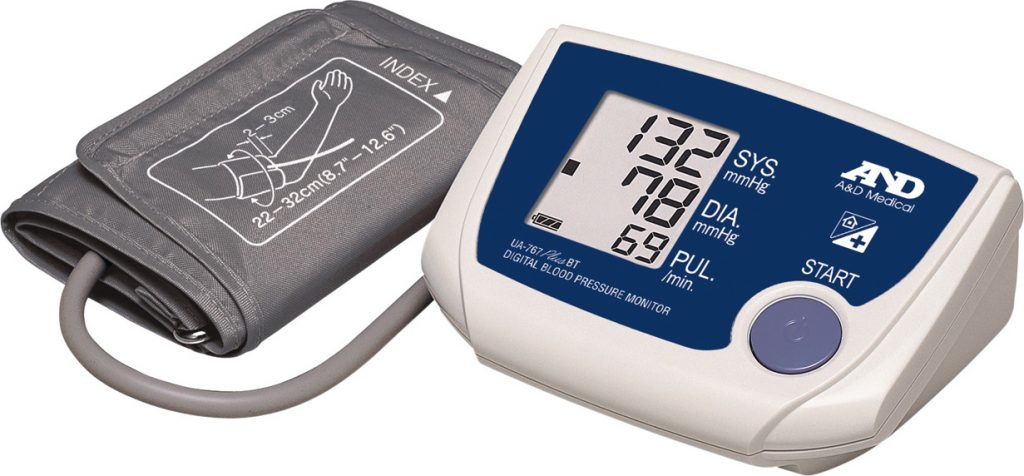
A normal blood pressure reading is below 120/80 mmHg. Readings consistently at or above 130/80 mmHg are considered high blood pressure. You can check your blood pressure at most pharmacies, clinics, and hospitals. The first step is simply knowing your numbers.
If you have not checked your blood pressure in the last year, please do so especially if you are over 30, overweight, pregnant, or have a family history of hypertension.
Lifestyle Changes That Make a Real Difference
The good news about hypertension is that lifestyle changes can be remarkably effective, sometimes eliminating the need for medication altogether in early stages.
• Reduce salt intake: Aim for less than 5 grams (1 teaspoon) of salt per day. Be mindful of hidden salt in stock cubes, processed meats, and canned foods.
• Eat more potassium-rich foods: Bananas, sweet potatoes, avocados, tomatoes, and beans help counteract the effects of sodium.
• Lose excess weight: Even a small reduction in weight can meaningfully lower blood pressure.
• Exercise regularly: Aim for at least 30 minutes of moderate-intensity activity most days of the week.
• Quit smoking and limit alcohol consumption.
• Manage stress: Chronic stress is a significant driver of elevated blood pressure. Prayer, rest, and social connection matter.
When Medication Is Needed
For many women, lifestyle changes alone are not enough to control blood pressure, and medication becomes necessary. This is not a failure it is responsible self-care. Several effective medications are available, and your doctor can help you find the right one for your situation. Never stop taking prescribed medication without consulting your doctor, even if you feel fine.
Uncontrolled hypertension is a leading cause of stroke, heart failure, and kidney disease. Taking your medication consistently and attending follow-up appointments can literally save your life.
3 Responses
Thanks for sharing this
Mine is the low one. once I observe I take a rest immediately. I also try not to stress myself.
Thanks