
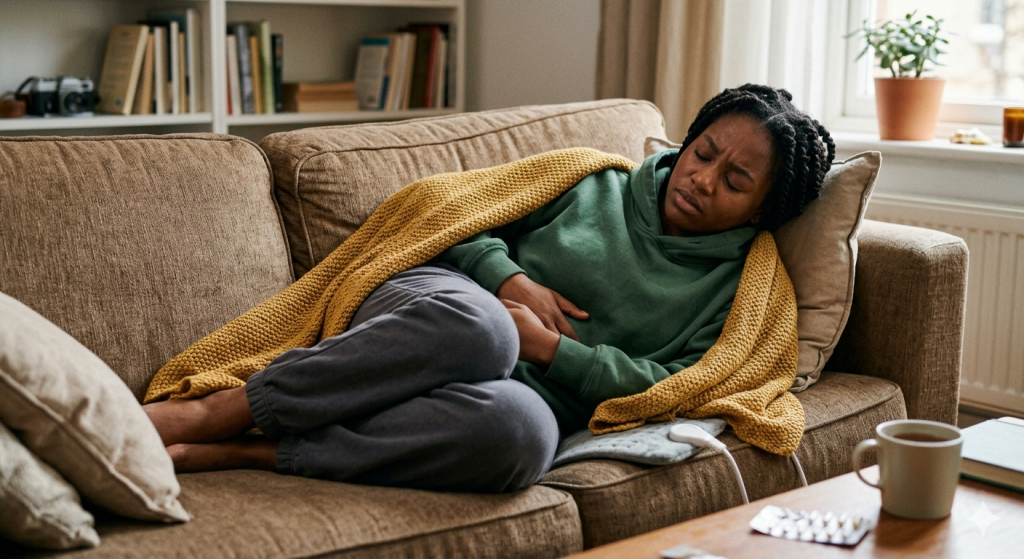
Understanding the silent struggle and finding real solutions
Introduction
Uterine fibroids are one of the most common health concerns among African women. Studies suggest that Black women are two to three times more likely to develop fibroids than women of other ethnicities, and they tend to develop them at a younger age with more severe symptoms. Yet, many women suffer in silence, normalising heavy periods, pelvic pain, and bloating as part of being a woman. It is time to break that silence.
Fibroids are non-cancerous growths that develop in or around the uterus. While they are rarely life-threatening, they can significantly affect your quality of life, fertility, and overall well-being. The good news? There are natural and medical approaches to managing them effectively.
Symptoms You Should Not Ignore
Many women do not know they have fibroids until a routine scan reveals them. However, when symptoms do appear, they can include:
• Heavy, prolonged menstrual bleeding lasting more than 7 days
• Severe pelvic pain or pressure
• Frequent urination or difficulty emptying the bladder
• Pain during intercourse
• Lower back pain
• A swollen or enlarged abdomen
• Difficulty getting pregnant or repeated miscarriages
If you experience any of these, please see a healthcare provider. Early diagnosis means more options and better outcomes.
Natural Ways to Manage Fibroids
While fibroids cannot always be eliminated through lifestyle changes alone, certain natural approaches may slow their growth and relieve symptoms:
Diet matters more than you think. A diet rich in fruits, vegetables, whole grains, and lean proteins can support hormonal balance. Foods high in iron, such as dark leafy greens, beans, and liver, help counter the anaemia caused by heavy bleeding. Reduce your intake of red meat, processed foods, and refined sugars, which may promote oestrogen dominance and feed fibroid growth.
The power of castor oil packs.
Traditionally, used across Africa, castor oil packs applied to the lower abdomen may help reduce inflammation and improve circulation in the pelvic area. While scientific research is limited, many women report relief from pain and bloating.
Herbal support.
Herbs such as vitex (chaste tree berry), turmeric, and green tea have shown some anti-inflammatory and anti-oestrogen properties in studies. Consult a qualified herbalist or gynaecologist before starting any herbal regimen.
Exercise regularly.
Moderate physical activity helps regulate oestrogen levels, reduce stress, and maintain a healthy weight, all of which can positively influence fibroid growth.
Stress management.
Chronic stress raises cortisol levels, disrupting hormonal balance and worsening symptoms. Practices like prayer, yoga, journaling, and community support can all help.
Medical Treatment Options
When fibroids significantly impact your life, medical treatment may be necessary. Options range from hormone therapy and medications to minimally invasive procedures and surgery. Your doctor may recommend myomectomy (removal of fibroids while preserving the uterus) or, in more severe cases, a hysterectomy. Uterine fibroid embolisation (UFE) is a newer, less invasive option available in some African countries.
The right treatment depends on your age, symptom severity, fertility goals, and access to healthcare. Always seek a second opinion and ask questions.
A Word of Encouragement
You are not alone. Millions of African women live with fibroids, and many lead full, healthy, and fertile lives. Whether you choose natural management, medical treatment, or a combination of both, knowledge is your most powerful tool. Talk to your doctor, share your story with other women, and advocate for your own health. You deserve to feel well.
One Response
This is helpful. More wisdom