For more than eight decades, the United Nations has stood as the world’s ultimate arbiter of peace and human rights. Yet, in its 81-year history, the organization’s highest office has shared a single, unyielding trait: it has always been held by a man. Across nine Secretaries-General, the glass ceiling at the 38th floor of the UN Secretariat has remained untouched.
That history is about to be challenged.
Two Icons, One Historic Race
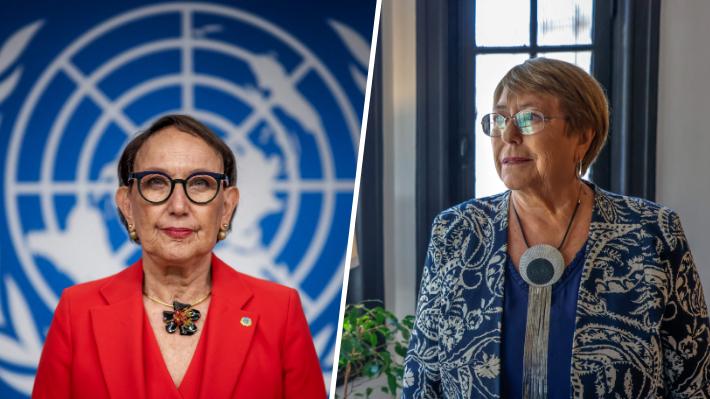
As the world prepares for the next chapter of global diplomacy, two extraordinary leaders have officially entered the race to lead the world’s most influential international organization. Michelle Bachelet of Chile and Rebeca Grynspan of Costa Rica have stepped forward, bringing decades of high-level experience and a fresh vision for the future of multilateralism.
- Michelle Bachelet: A veteran of the world stage, Bachelet served two terms as the President of Chile and was the inaugural Executive Director of UN Women, later serving as the UN High Commissioner for Human Rights.
- Rebeca Grynspan: An economist of global renown and current Secretary-General of UNCTAD, Grynspan previously served as the Vice President of Costa Rica and a high-ranking official within the UNDP.
Their candidacies arrive at a pivotal moment. The international community is currently gathering for the 70th Session of the UN Commission on the Status of Women, coinciding with the global observance of International Women’s Day on March 8, 2026. This year’s theme “Give to Gain & Rights. Justice. Action. For ALL Women and Girls” feels particularly poignant as the UN faces its own moment of reckoning regarding gender parity at the top.
The Road to the 38th Floor
The selection process is no longer the “behind closed doors” affair it once was. The race will heat up during the week of April 20, 2026, when candidates participate in interactive dialogues. During these sessions, Bachelet and Grynspan will present their vision statements and answer direct questions from UN member states, defending their plans for a fractured world.
The winner will assume office on January 1, 2027, inheriting a daunting global inbox:
- A worsening climate crisis requiring immediate, unified action.
- Persistent armed conflicts that have tested the limits of international law.
- A world grappling with widening inequality and a growing distrust in global institutions.
Why It Matters
The candidacies of Bachelet and Grynspan serve as a powerful reminder that while the journey toward equal representation is long, the momentum is undeniable. To have a woman lead the UN would not just be a symbolic victory; it would be a fundamental shift in how the world approaches crisis management and diplomacy.
As the race unfolds, the message is clear: the United Nations is ready for a leadership that finally reflects the diversity of the people it serves. We have every reason to celebrate the progress being made.