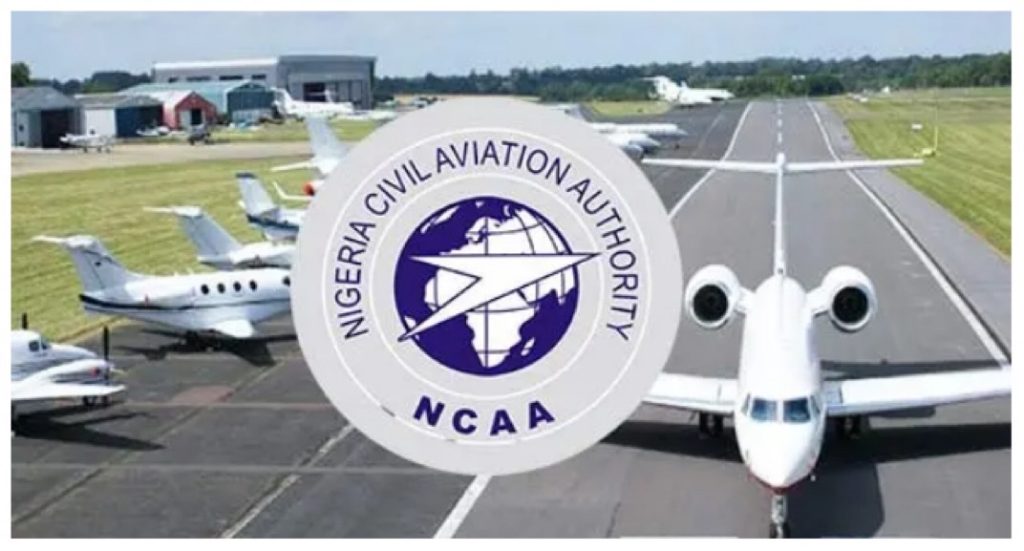
The Nigeria Civil Aviation Authority (NCAA) has summoned 13 domestic airlines to an emergency meeting following widespread complaints about persistent flight delays, cancellations, and poor passenger treatment across the country.
The meeting, scheduled for Wednesday at the NCAA headquarters in Abuja, was confirmed by the agency’s Director of Public Affairs and Consumer Protection, Michael Achimugu, via his official X handle.
According to the NCAA, the rising cases of delayed and cancelled flights have not only frustrated air travelers but also triggered unruly passenger behavior at airports. The agency blamed some of these incidents on airlines’ failure to comply with aviation rules and their deliberate attempts to deprive passengers of their rights.
The agenda for the emergency meeting includes:
- Addressing repeated flight delays and cancellations.
- Reviewing passenger welfare obligations and handling protocols.
- Resolving refund and compensation complaints.
- Enforcing safety measures, including the mandatory phone switch-off directive.
- Protecting cabin crew and NCAA officials from violent incidents.Introducing RFID baggage tagging and real-time flight monitoring technology.
Just a day earlier, the NCAA had reminded airlines of their duty under the Nigerian Civil Aviation Regulations (Part 19) to provide support for passengers affected by disruptions. This includes offering hotel accommodation for stranded travelers between 10:00 pm and 4:00 am.
The regulatory body also warned that it would begin “naming and shaming” airlines that consistently violate aviation rules, particularly those cancelling flights without adequate notice or failing to care for passengers.
Achimugu stated that NCAA officers are often left to manage angry travelers when airlines fail to fulfill their responsibilities, a situation that exposes officials to unnecessary risks. He stressed that the era of leniency is over:
“For infractions that are sanctionable, the Authority will apply the fullest measures possible. We will not abandon the letters of our regulations.”