
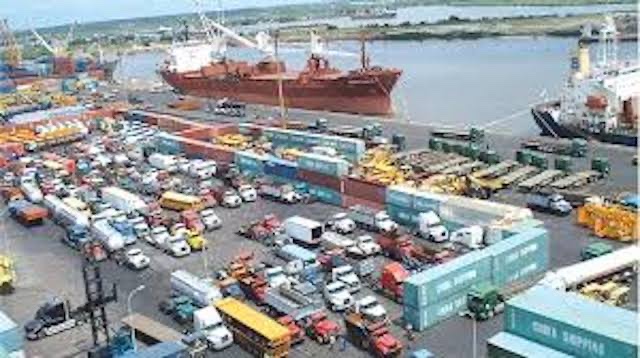
Nigeria and China have pledged to deepen cooperation in the marine and blue economy sector, with a focus on port development, aquaculture exports, and large-scale maritime investments.
The commitment was made during a meeting between Nigeria’s Minister of Marine and Blue Economy, Adegboyega Oyetola, and the Chinese Ambassador to Nigeria, Yu Dunhai, held at the ministry’s headquarters in Abuja on Thursday.
Unlocking Nigeria’s Maritime Potential
Oyetola highlighted Nigeria’s vast maritime endowments, including its 853 kilometers of Atlantic coastline and over 10,000 kilometers of inland waterways. He emphasized opportunities in shipping, fisheries, port operations, renewable ocean energy, marine tourism, and coastal infrastructure development.
“Our ministry is determined to create the right framework for investment and partnership, and we believe Nigeria has a lot to learn from China’s marine and blue economy development model,” Oyetola stated.
China’s Role in Nigeria’s Maritime Growth
Ambassador Yu praised Nigeria’s maritime potential and reaffirmed China’s support in helping the country harness it. He pointed to the Lekki Deep Seaport, constructed by China Harbour Engineering Company, as a prime example of Sino-Nigerian collaboration.
The port, capable of handling ultra-large container vessels, has created thousands of jobs, reduced congestion at Lagos ports, and strengthened Nigeria’s position as a leading maritime hub in West and Central Africa.
Yu also disclosed that Nigeria and China are finalizing an agreement to enable the export of Nigerian aquaculture products to China. With zero tariffs approved on these exports, Nigerian fish farmers and seafood producers are set to gain access to new global markets.
$2bn Maritime Investment Deal
In a major boost to Nigeria’s marine sector, both nations have also signed a $2 billion maritime investment agreement. The deal aims to accelerate indigenous vessel ownership and expand Nigeria’s role as a regional shipping hub.
The initiative will deliver:
- $2bn in vessel investments
- $20bn in freight contracts for Nigerian operators
- $200m for maritime training
- $50m for training vessels
It is expected to create 2,000 new maritime jobs annually, train 25,000 globally certified Nigerian seafarers, and strengthen local shipping capacity.
Looking Ahead
Both parties reaffirmed their commitment to expanding bilateral cooperation. Oyetola expressed optimism about future collaborations, saying:
“Nigeria’s marine and blue economy holds tremendous opportunities for investors, and with China’s cooperation, we are confident of unlocking this potential for the benefit of our people.”