
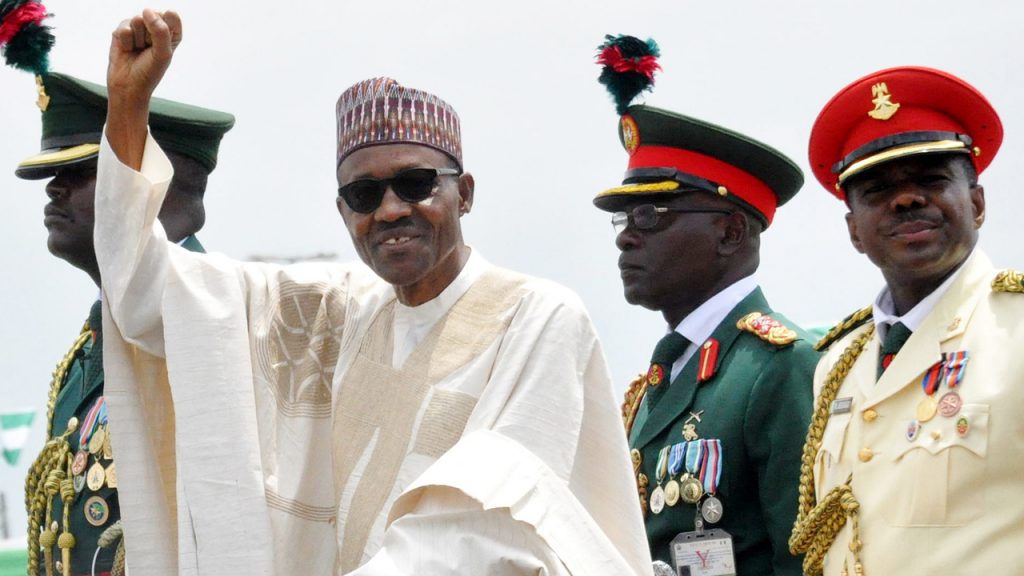
Nigeria is mourning the death of former President Muhammadu Buhari, who passed away at age 82 on July 13, 2025, in a London hospital following a prolonged illness. Buhari served as a military ruler from 1983 to 1985 and later as a democratically elected president from 2015 to 2023, becoming the first opposition candidate to unseat a sitting president. Known for his strict anti-corruption stance and austere leadership style, his tenure was also marked by economic challenges, security crises, and criticism over governance issues.
President Bola Tinubu declared a seven-day national mourning period, ordered flags flown at half-mast, and dispatched Vice President Kashim Shettima to bring Buhari’s remains home. On July 15, Buhari was laid to rest in a televised state funeral held in his hometown of Daura, Katsina State, with military honors, including a 21-gun salute, in attendance.
International leaders, including UN Secretary-General António Guterres, lauded Buhari’s contributions to Nigeria, Africa, and multilateralism.
Buhari’s career left a complex legacy, remembered for both his commitment to fighting corruption and the shortcomings of his economic and security strategies.