
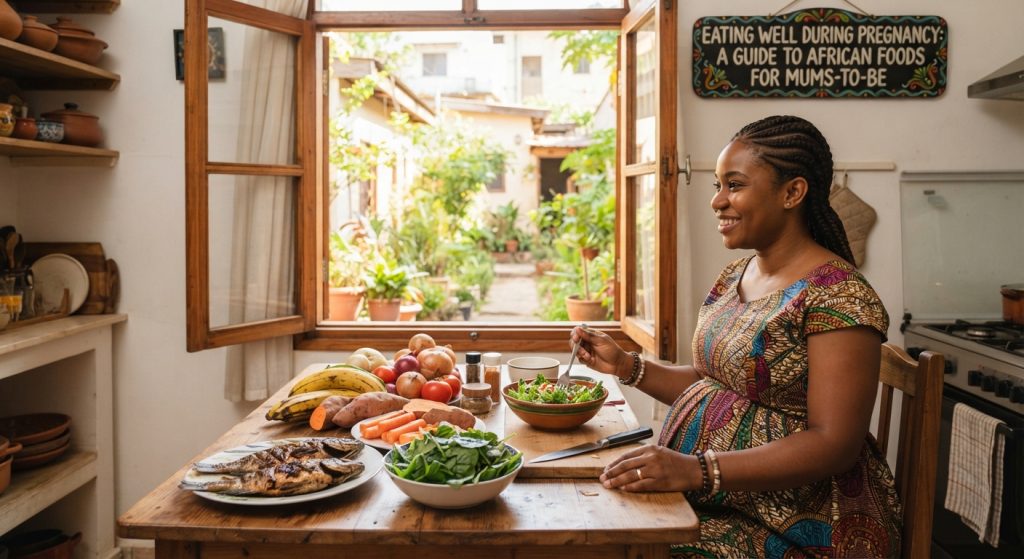
Your local ingredients are more powerful than you might think
Introduction
Pregnancy is a time of incredible change, and what you eat directly affects the growth and development of your baby. Many African women are told to ‘eat for two’ or given advice based on imported nutritional guidelines that do not reflect local food culture. The truth is, traditional African foods are extraordinarily nutritious if you know what to prioritise.
This guide celebrates the rich culinary heritage of African women while offering practical, evidence-based guidance on eating for a healthy pregnancy.
Key Nutrients and Where to Find Them
Folic acid is the most critical nutrient in early pregnancy, reducing the risk of neural tube defects in the baby. It is found in dark leafy greens like spinach, ugwu (fluted pumpkin leaves), and bitter leaf, as well as in beans, groundnuts, and oranges. A folic acid supplement is also recommended.
Iron supports the increased blood volume of pregnancy and protects against anaemia. Rich sources include liver (consumed occasionally, not daily due to vitamin A levels), red meat, leafy greens, beans, and dark green vegetables.
Eating vitamin C-rich foods alongside iron-rich foods improves absorption.
Calcium is essential for your baby’s bones and teeth. Dairy products, including milk and yoghurt, are excellent sources.
For women who are lactose intolerant or cannot afford dairy, sardines, tilapia, egusi seeds, and calcium-fortified foods are good alternatives.
Protein supports the growth of the baby’s organs, muscles, and brain. Excellent African sources include eggs, fish, chicken, beans, lentils, groundnuts, and soybean-based foods like tofu and miso.
Foods to Eat More Of
• Moringa leaves: Often called a superfood, moringa is packed with iron, calcium, protein, and vitamins A and C. Add to soups and stews.
• Oily fish like mackerel and sardines: Rich in omega-3 fatty acids that support fetal brain development.
• Sweet potatoes and yam: Good sources of carbohydrates, fibre, and beta-carotene.
• Eggs: Affordable, versatile, and rich in protein and choline, which is vital for brain development.
• Fruits like mangoes, pawpaw, and oranges: Excellent sources of vitamins and antioxidants.
Foods and Habits to Avoid
Raw or undercooked meat, fish, and eggs carry the risk of harmful bacteria.
Excessive caffeine (limit to one cup of tea or coffee per day) and alcohol (avoid entirely) can harm fetal development.
Unpasteurised dairy products carry listeria risk.
Some herbal teas and local herbal concoctions can cause uterine contractions; always consult your doctor before taking any herbal remedy during pregnancy.
Practical Tips for Everyday Eating
Eat small, frequent meals to manage nausea and heartburn.
Keep healthy snacks like boiled groundnuts, sliced fruit, or roasted corn handy.
Drink at least 8 glasses of water daily.
If your budget is tight, prioritise protein (eggs and beans are affordable), dark leafy greens, and starchy vegetables.
Remember, your traditional kitchen is a pharmacy. Use it wisely.
2 Responses
Thanks for sharing this ❤️
Thank you for sharing, it was a great article.