
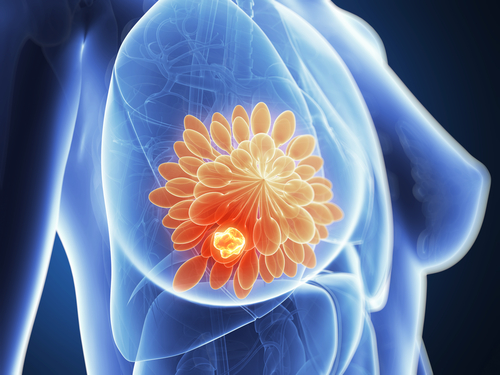
Breast cancer begins when abnormal cells grow uncontrollably in the breast tissue. To guide treatment and understand how advanced the disease is, healthcare professionals classify breast cancer into five stages: Stage 0 to Stage 4. Stage 0 is the earliest form, while Stage 4 is the most advanced.
Knowing your breast cancer stage helps your healthcare team recommend the most suitable treatment plan and gives insight into what to expect moving forward.
How Breast Cancer Is Staged
After a breast cancer diagnosis, several tests are used to determine the stage, including:
- Physical examination of the breast and nearby areas
- Imaging tests such as ultrasound, mammogram, CT scan, MRI, PET scan, or X-ray
- Blood tests to check organ function and certain proteins
- Biopsy, which involves taking a small tissue sample to confirm cancer and test for hormone receptors and HER2 proteins
Doctors often use the TNM system, which looks at:
- T (Tumor): Size of the main tumor
- N (Nodes): Whether cancer has spread to nearby lymph nodes
- M (Metastasis): Whether cancer has spread to distant organs
Other factors such as hormone receptor status, HER2 status, and how abnormal the cancer cells appear are also considered.
The Five Stages of Breast Cancer
Stage 0 (Noninvasive Breast Cancer)
Cancer cells are only inside the milk ducts or lobules and have not spread.
- Often found through mammograms
- Highly treatable with surgery and sometimes radiation
- Outlook is excellent, with very high cure rates
Stage 1 (Early Invasive Cancer)
Tumor is small (up to 2 cm) and may or may not involve nearby lymph nodes.
- May cause a lump, nipple changes, or no symptoms at all
- Usually treated with surgery, sometimes combined with chemotherapy or hormone therapy
- Five-year survival rate is nearly 100%
Stage 2 (Localized but Larger Tumor)
Tumor may be larger or involve one to three lymph nodes.
- Symptoms similar to Stage 1
- Treatment often includes surgery, medications, and radiation
- Five-year survival rate is about 93%
Stage 3 (Locally Advanced Cancer)
Cancer has spread to several lymph nodes or nearby tissues such as the chest wall or skin.
- More noticeable breast changes, swelling, or skin texture changes
- Treated with chemotherapy, surgery, radiation, and additional medications
- Five-year survival rate is around 75%
Stage 4 (Metastatic Breast Cancer)
Cancer has spread to distant organs like the bones, liver, lungs, or brain.
- Symptoms depend on where the cancer has spread
- Not considered curable, but treatment can control symptoms and slow progression
- Five-year survival rate is about 32%
Can Breast Cancer Progress?
Yes. Breast cancer can move from an early stage to a more advanced one, especially without treatment. However, certain lifestyle choices may help reduce risk or slow progression:
- Maintain a healthy weight
- Eat more fruits, vegetables, whole grains, and lean protein
- Stay physically active
- Avoid alcohol and smoking
- Follow your doctor’s recommendations and attend regular check-ups
Living With Breast Cancer
Every stage of breast cancer comes with physical, emotional, and mental challenges. Treatment side effects vary, and open communication with healthcare providers is important for managing them.
Support systems—such as family, friends, and support groups—can make a significant difference. Some people may also consider clinical trials, especially in advanced stages, to access emerging treatments.
In Summary
Breast cancer stages (0–4) describe how advanced the disease is and guide treatment decisions. Early detection greatly improves outcomes, which is why regular screening and awareness are vital.
If you notice any unusual breast changes, seek medical attention promptly. Early action can save lives.
Source: Health.com