
The United States relied partly on unverified claims produced by an Onitsha-based activist to justify its first official airstrikes in Nigeria, according to an investigation by The New York Times.
The report links the strikes to research by Emeka Umeagbalasi, a screwdriver trader in Anambra State and founder of the advocacy group Intersociety, whose claims about widespread killings of Christians in Nigeria have been cited by US Republican lawmakers, including Senator Ted Cruz and Representatives Chris Smith and Riley Moore.
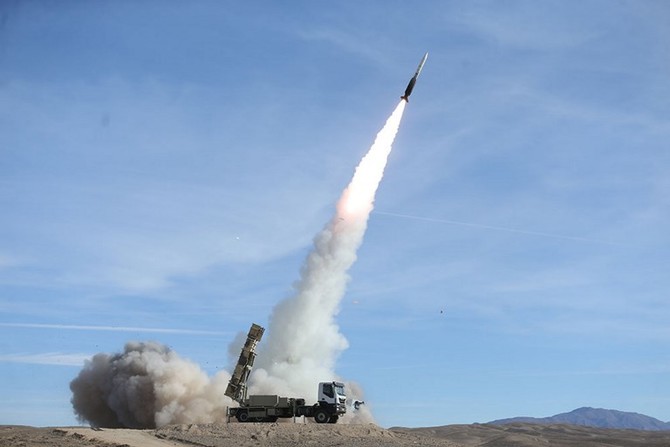
President Donald Trump ordered airstrikes on Christmas Day in northwestern Nigeria, citing concerns about violence against Christians. Umeagbalasi described the action as “miraculous,” saying it validated years of advocacy.
However, The New York Times found that Umeagbalasi often does not verify his data, relying largely on secondary sources such as media reports, Christian advocacy groups, and online searches. He admitted he rarely visits attack locations and frequently assumes victims’ religious identities based on geography.
Independent conflict tracker ACLED recorded about 6,700 deaths in Nigeria during the first seven months of 2025, including combatants and civilians, without religious breakdowns contrasting sharply with Umeagbalasi’s claim that over 7,000 Christians were killed in the same period alone.
Nigerian officials and analysts dismissed his findings as biased and methodologically flawed. “There’s a lot of fallacy and confirmation bias in his research,” a spokesman for Nigeria’s foreign minister said.
Critics, including church leaders and conflict researchers, warned that focusing narrowly on religious identity obscures Nigeria’s deeper crisis of insecurity and weak state capacity.
Despite the backlash, Umeagbalasi continues to defend his work, underscoring growing concerns about how unverified advocacy narratives can influence international policy and military decisions.
Source: BusinessDay ng