
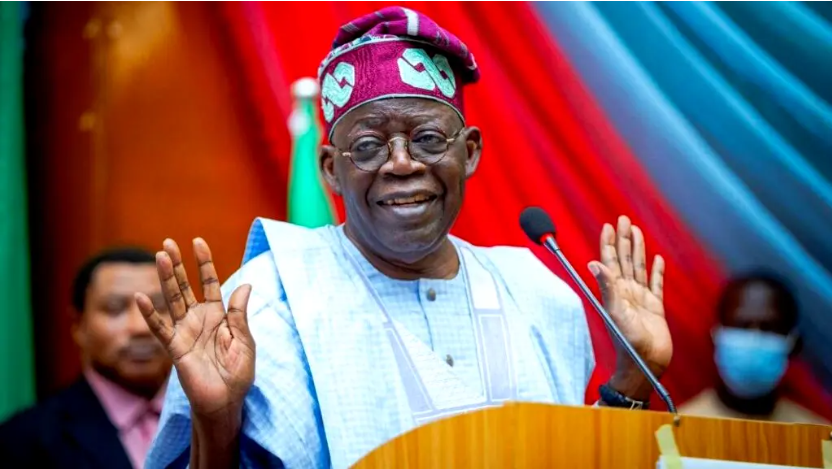
President Bola Ahmed Tinubu has come under fire from opposition figures and civil society organisations after granting presidential pardons to over 170 convicted criminals, including individuals jailed for drug trafficking, homicide, fraud, and illegal mining.
Among those pardoned were the late nationalist Herbert Macaulay, the late Major General Mamman Vatsa, and Maryam Sanda, who was sentenced to death for killing her husband. The inclusion of more than 30 convicted drug offenders in the list has triggered widespread criticism.
The African Democratic Congress (ADC) described the decision as “a national disgrace and a setback to Nigeria’s anti-drug campaign.” The party’s National Publicity Secretary, Bolaji Abdullahi, said it was “an irresponsible abuse of presidential power” that undermines the sacrifices of NDLEA officers and sends a message of leniency toward serious crimes.
Former Vice President Atiku Abubakar also condemned the decision, calling it “shocking and indefensible.” He argued that the pardons weaken confidence in Nigeria’s justice system and “send a dangerous signal to both the public and the international community.”
Atiku further noted that nearly 30% of those pardoned were convicted for drug-related offences—an alarming move at a time when Nigeria faces rising drug abuse among youth. He urged the government to review the clemency process to ensure transparency, fairness, and alignment with public interest.
Human rights groups, including CISLAC and Amnesty International, also criticised the move, describing it as “morally wrong” and a blow to the rule of law.