
By Naomi Jeremiah
Across Nigeria, private individuals seeking to fund community development projects are increasingly facing resistance, intimidation, and financial demands from traditional rulers, local authorities, and informal groups, raising concerns about barriers to grassroots development.
In Lagos, a philanthropist identified as Philip Omoluabi (not his real name) recounted how his attempt to reconstruct an erosion-damaged road in Ejigbo collapsed after repeated demands for payments from multiple local power brokers.
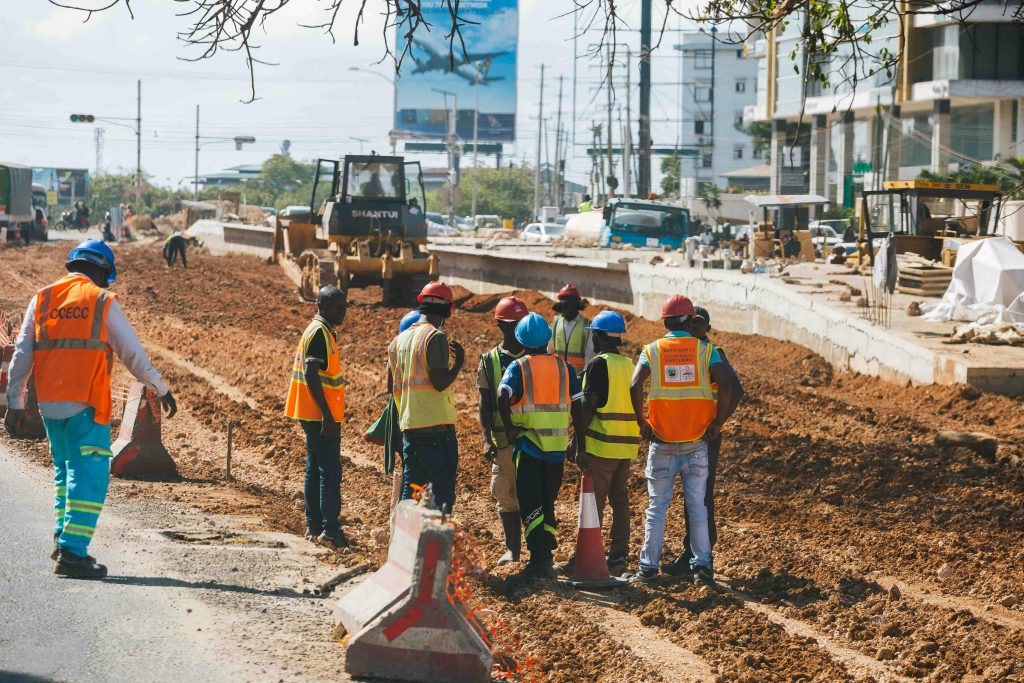
The road, which residents say has claimed lives due to erosion and poor visibility, becomes especially dangerous during the rainy season. Moved by the loss of lives and government inaction, Omoluabi raised private funds and engaged engineers to fix the road.
However, shortly after work began, he said local government officials demanded fresh approvals and payments. Community leaders, including a traditional ruler, allegedly requested what was described as a “community levy,” while groups of street youths reportedly demanded daily fees to allow construction to continue.
“At some point, it stopped being about fixing the road. Everyone just wanted a cut,” he said.
According to him, escalating costs, threats, and safety concerns forced the contractor to withdraw. After spending millions of naira without laying asphalt, the project was abandoned, leaving the road in poor condition.
Similar allegations have since surfaced on social media, with Nigerians sharing experiences of privately funded road projects being stalled or abandoned due to financial demands from traditional rulers or local groups.
One X user alleged that a donor was asked to pay ₦5 million and name a road after a traditional ruler before approval could be granted, leading the donor to abandon the project. Others shared stories of “area boys” disrupting construction unless paid.
The growing complaints have reignited public debate about accountability, transparency, and the role of traditional institutions in community development, with critics warning that such practices discourage private intervention and worsen Nigeria’s infrastructure challenges.
Culled from: Punchng